Government communication, ready for the future.




Together toward a more accessible government.
At the Municipality of Doesburg, Iris supports the customer contact centre: residents call and are helped by Iris or connected to the right place. That leaves the Doesburg team enough time for the more complex cases and the human work.
OpenIris × Gemeente Doesburg
How is Iris used?
Iris strengthens the communication of public organizations: from the letters going out the door and multilingual information for newcomers to the pressure on the phone lines. Always in the resident's language.
More about the solutions
Strengthen your letters and emails
Every letter goes out with a phone number. Residents call Iris, who knows the content of the letter and the context behind it. She answers questions right away, at the moment the question arises. No one has to search a website or wait on hold.
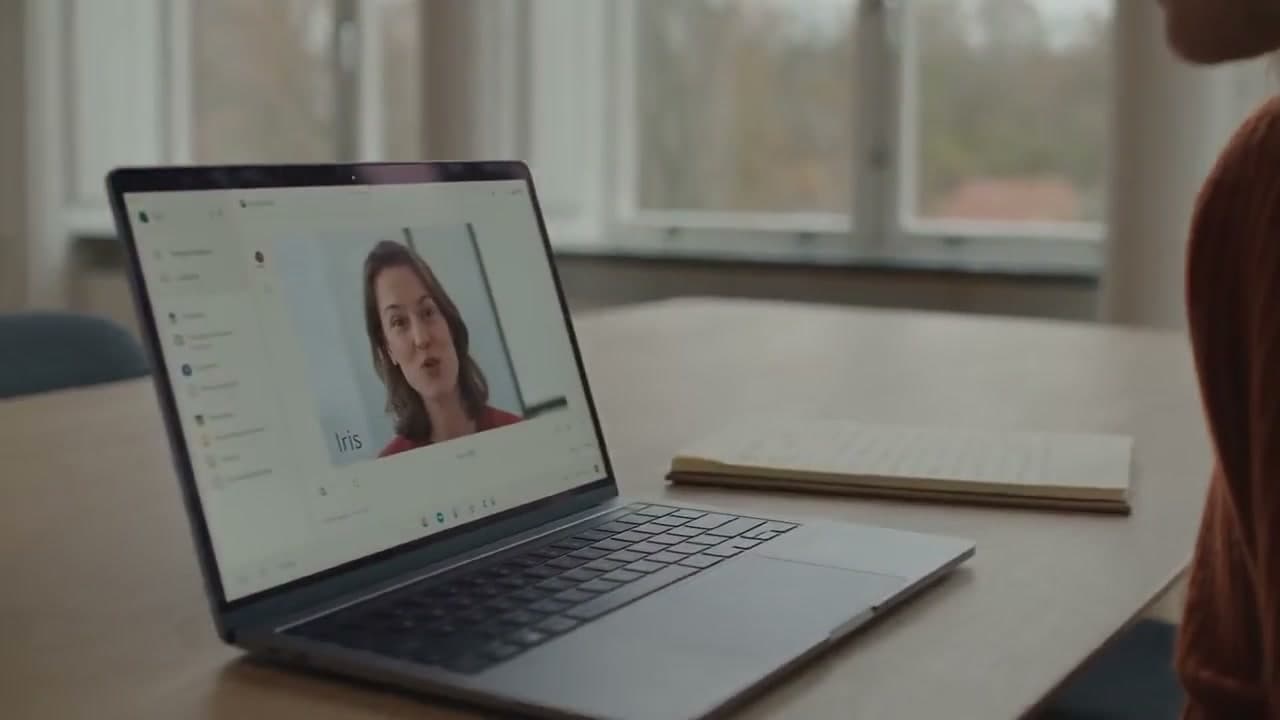
Guiding newcomers in their own language
Migrant workers, refugees, and other newcomers often get stuck on topics like housing, work, healthcare, and integration. Iris answers their questions in Polish, Ukrainian, Arabic, Romanian (and many other languages) and points them straight to the right support organization or municipal desk.
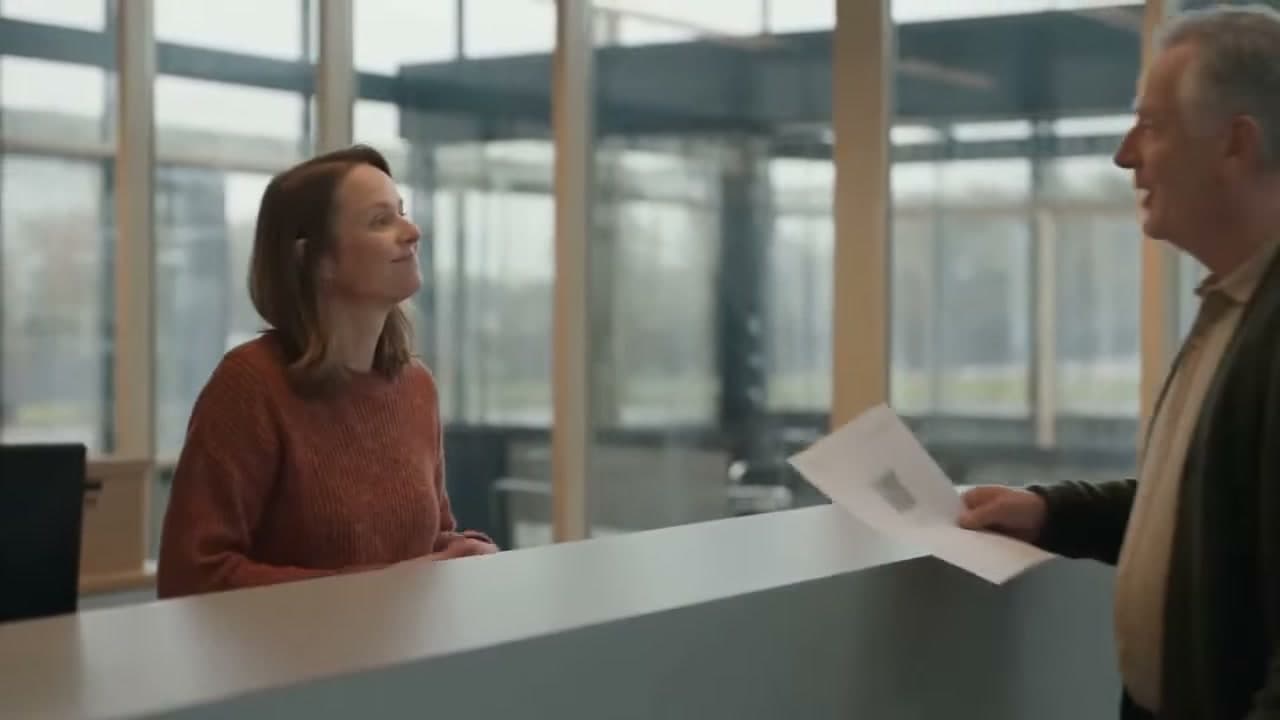
Reinforcement for the customer contact center
Whether a resident calls about a permit, a benefit, or another application, Iris explains it in plain language. With ongoing labor shortages, Iris provides the extra capacity your contact center needs. She answers questions based on your own documentation and processes, reducing the workload on contact center staff.
Accessible to every resident
No IT project, no complex integrations, no apps for residents to download. OpenIris answers your existing phone line and forwards calls when needed.
Built on your expertise
You provide the relevant documentation, websites, and processes. We train Iris on this information and activate her behind a dedicated landline, no IT integration required.
Instant support in 30+ languages
Residents call the number and are helped in their own language. Iris detects the language automatically, answers questions 24/7, and transfers the call to the right staff member when needed.
Anonymous insights and improvement
You receive summaries of every call in your language, presented in a clear dashboard. Because all data is stored fully anonymized, you can safely analyze patterns and continuously improve your services.
Maximum control: sovereign and independent
Iris is built around the security standards of the Dutch government. The infrastructure is designed so that continuity is never dependent on a single external provider. No data leaves the EU and no training takes place on conversations. For the technology behind transcription and voices, you choose: a fully European stack for maximum sovereignty, or a hybrid mix for optimal functionality.
More about sovereignty and securityReal-time anonymization
All personal data is filtered out of the conversation in real time before anything is stored or forwarded. This guarantees sensitive information never enters our processing or storage.
Fully EU-hosted
The technology behind speech recognition, reasoning and voices runs entirely on European servers. This keeps data within EU jurisdiction and out of reach of foreign legislation.
Pick your own stack
Iris is built modularly, so you decide which technology powers each part of the stack. You can swap providers easily, without a complex migration.
GDPR-proof, no training
We never train models on conversations with residents. Iris meets GDPR requirements, which significantly simplifies the review process for a Data Protection Officer (DPO).
What municipalities often ask us.
What is OpenIris?
OpenIris is a Dutch company based in Amsterdam that builds Iris: a digital assistant that answers the phone for a municipality or public organisation. Residents call the existing number and get answers to their questions around the clock, in plain language and in 32 languages. When Iris cannot handle a question, she transfers the call to a staff member.
How does Iris work?
The organisation provides its documentation, websites and processes. We set Iris up on that information and activate her behind a dedicated landline, with no IT integration. Residents call as they always have. Iris detects the language automatically, answers the question and, during office hours, transfers to the right staff member when needed. The organisation receives an anonymised Dutch summary of every conversation in its dashboard.
Which languages does Iris speak?
Iris holds conversations in 32 languages, including Dutch, English, Polish, Ukrainian, Arabic, Turkish and Romanian. The language is detected automatically at the start of the call, so the caller never has to choose.
Where is data processed and what about the GDPR?
Processing takes place on servers in the European Union. Personal data such as names and phone numbers are filtered out of the conversation before anything is stored, and conversations with residents are never used to train models. The municipality remains the data controller; OpenIris is the processor. Our privacy policy explains how we handle data.
Who is Iris for?
Dutch municipalities and other public organisations: customer contact centres that want to reduce phone pressure, teams that want to inform newcomers in their own language, and organisations that want their letters to carry a phone number where residents get an explanation straight away. The municipality of Doesburg uses Iris at its customer contact centre.
How do I get started?
Send an e-mail to info@openiris.nl. We schedule a demo, set Iris up on your own information and prepare a phone number. No IT project or app is needed.